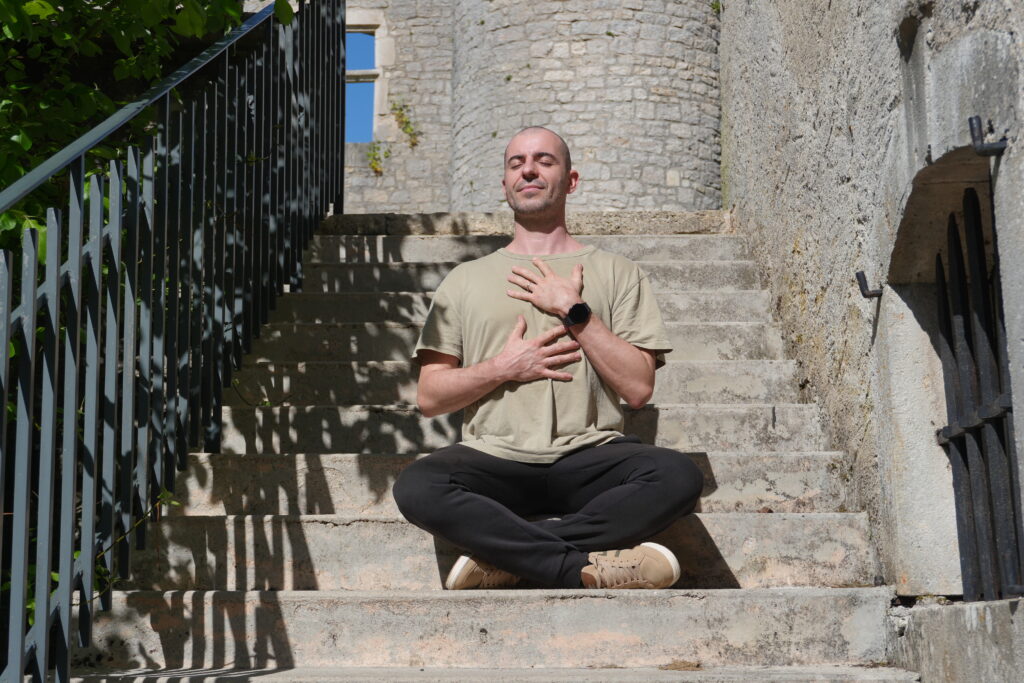
Author: Steve Bavoysi
Yoga for Mental Health
Founder & CEO of Grounded_by_yoga
Hey there! I’m Steve! And through my teaching, I help people who rely on unhealthy coping mechanisms and often feel stressed, overwhelmed, or disconnected from themselves. Using yoga, philosophy, and mindfulness, I guide them to slow down and regulate their nervous system naturally. If this resonates with you, you’re welcome to follow me on social media for gentle guidance, support, and practical tools to bring more calm and balance into your day.
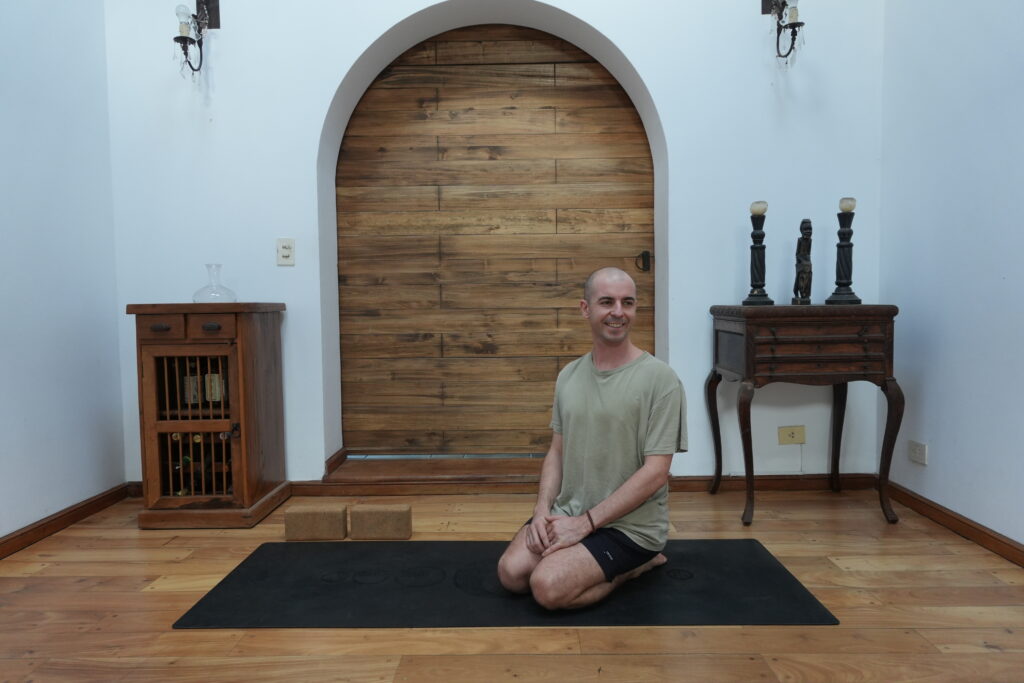
Benefits of yoga for mental health
Yoga is not just about practicing posture or twisting yourself like a contortionist. Yoga is a holistic practice, which means it works on physical, mental, and emotional levels at the same time. Its benefits for mental health become visible in the way we show up in daily life, especially at work, where pressure is constantly shifting and demands are always changing.
Yoga shapes the way we see ourselves and others, the way we relate to our emotions, and the way we think. Through regular practice, we slowly build awareness—and that awareness creates the space we need to respond thoughtfully to the situations we face each day.
Take it or leave it, but in my opinion—and from personal experience—I can say that yoga has helped me deeply, both mentally and physically. More than that, it has supported me in living a more balanced, grounded, and meaningful life.
5 Ways Yoga Helps Professionals Prevent Burnout and Protect Their Mental Health
1. Regulates the Nervous System
The practice of Yoga aim to activate the parasympathetic (“rest and digest”) response, helping the body shift out of chronic stress and into a state of safety and balance. Using the analysis of yoga philosophy, the practice bring balance between the “Moon” and “Sun” energies, which can be referred to the parasympathetic and sympathetic nervous system. Those energies that basically allow us to experience life itself.
The goal is not to stay in a parasympathetic nervous system mode, but rather to teach our nervous system to relax or switch off when it’s needed .
When our nervous system is well balanced, our work environment becomes more playful and enjoyable.
If you are not familiar with nervous system science, I invite you to read this article How to regulate your nervous system naturally?
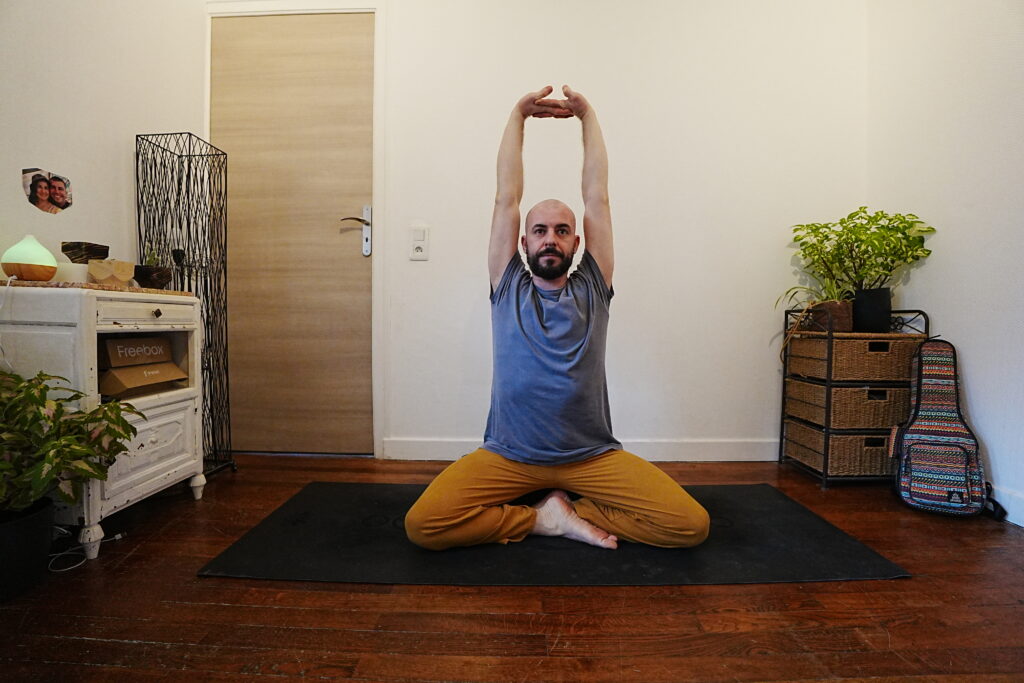
2. Lowers Stress Hormones
It is the endocrine system that is responsible for releasing stress hormones like cortisol or adrenaline. When we are under constant pressure, this system stays overactive.
That’s when a regular practice becomes powerful. It helps reduce cortisol levels—the body’s main stress hormone—by calming the nervous system. Through mindful movement and conscious breathing, yoga activates the parasympathetic response, which supports relaxation, emotional regulation, and recovery. Over time, this helps ease physical tension, reduce irritability, and prevent mental fatigue by allowing the body and mind to return to a more balanced state.
3. Builds Self-Compassion
Yoga encourages us to listen to our bodies and respect our limits, gradually replacing self-criticism with kindness. This is where a yogic philosophy approach comes in.
One of the key benefits of yoga for mental health lies in its philosophical foundation. Core yogic principles such as Ahimsa (non-violence) and Satya (truthfulness) are at the heart of the practice and are especially powerful when it comes to emotional and mental well-being.
These principles invite us to soften the way we live, the way we relate to others, and the way we treat ourselves. They encourage greater self-awareness, honesty, and compassion, helping us develop a deeper understanding of who we are and how we wish to move through the world.
Learning—or deepening our understanding of—these teachings is like going back to school and relearning how to live with greater awareness, integrity, and compassion in society.
If you’re interested in exploring yoga philosophy further, you’ll find a link below to one of my blog posts where I dive deeper into these precious principles and share practical ways to apply them in daily life: The Yamas & Niyamas: Ancient Wisdom for Modern Stress
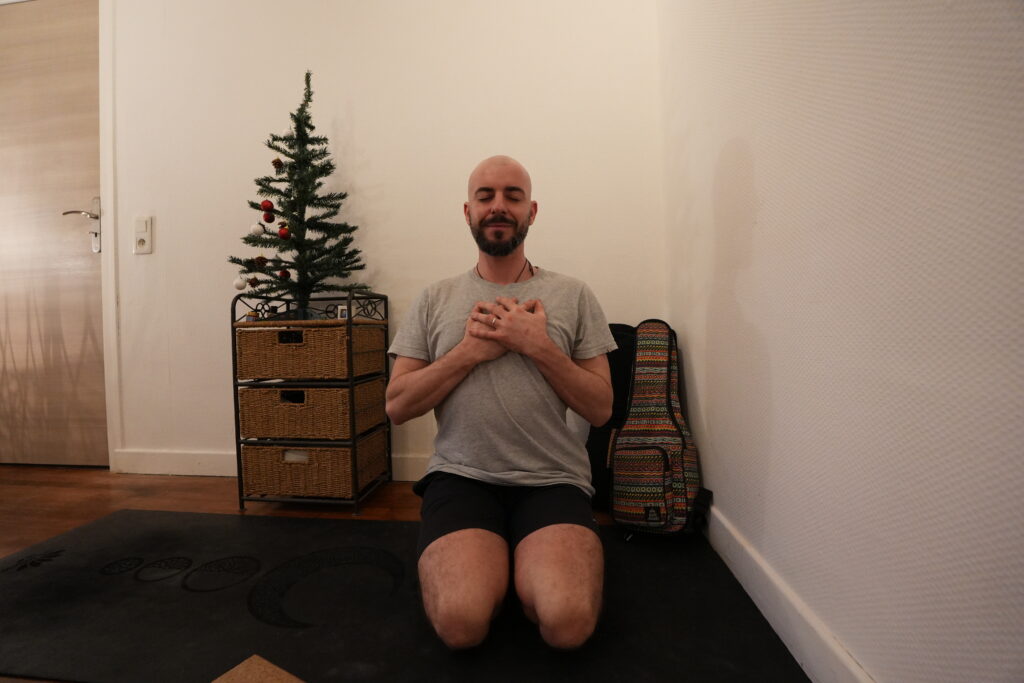
4. Supports Better Sleep
Gentle movement and relaxation techniques help quiet the mind and prepare the body for deeper, more restorative sleep.
When we had a hard day at work, our mind recorded the journey, and sometimes leaves unconscious thoughts and emotions that keeps the mind actives. By engaging in some mindful movement or meditation can help shift our mindset back to present, and allowing us to let go of whatever is no longer needed.
Practicing at night before bed can be a good idea if you are someone that struggle with sleep, preparing your mind and your nervous system to switch off for the night, for you to get the sleep quality you need for true rest.
5. Builds Long-Term Resilience
Over time, yoga trains the nervous system to recover faster from stress, helping you stay balanced during challenges.
In traditional Hatha yoga, for example, postures are often held for longer periods—usually for several breaths, not hours. This can be both physically and mentally challenging.
Through this practice, we train the mind to remain calm even when discomfort or difficulty arises. Little by little, we learn to stay present instead of reacting. This is how we build resilience.
And the more resilient we become, the better our mind is able to stay grounded, clear, and calm under pressure.
Know That I’m Here For You
You’re not meant to carry stress alone.
And you don’t need to fix yourself to deserve support.
If you are looking to get the benefits of yoga for your own mental health, small stress relief practices count.
And that’s exactly what I am offering with my self-paced container, 7-day stress detox, to help you reset your mind with short yoga practices. The link below is for you if you think you could benefit from being more balanced.
Thanks for being here and giving yourself a moment to slow down
I hope this post offered you a moment to soften or feel less alone.
If you feel called to share, the comments are an open space, no pressure, just presence.
I appreciate you being here.
With care,
Steve Bavoysi
Founder and CEO of Grounded_by_yoga
You can also join me on social media! Share! And thrive!

The Calm ritual: A 10-minute daily pause to help you breathe before you burn out.
You feel like you can’t switch off, your thoughts keep racing, your body holds on to tension, and rest never feels quite enough. Even when you try to slow down, everything still feels heavy and loud. The Calm Ritual is your invitation to gently press pause. This 30-day meditation program is designed to support your mental health, ease anxiety, and bring your nervous system back into balance. With 10 minutes of practice each day, you’ll create a simple, sustainable practice to release stress, quiet the noise in your mind, and reconnect with a sense of inner calm. No pressure to be perfect. No special equipment needed. Accessible, grounding practices; real moments of calm, one breath at a time.
Last updated Feb 15th, 2026